
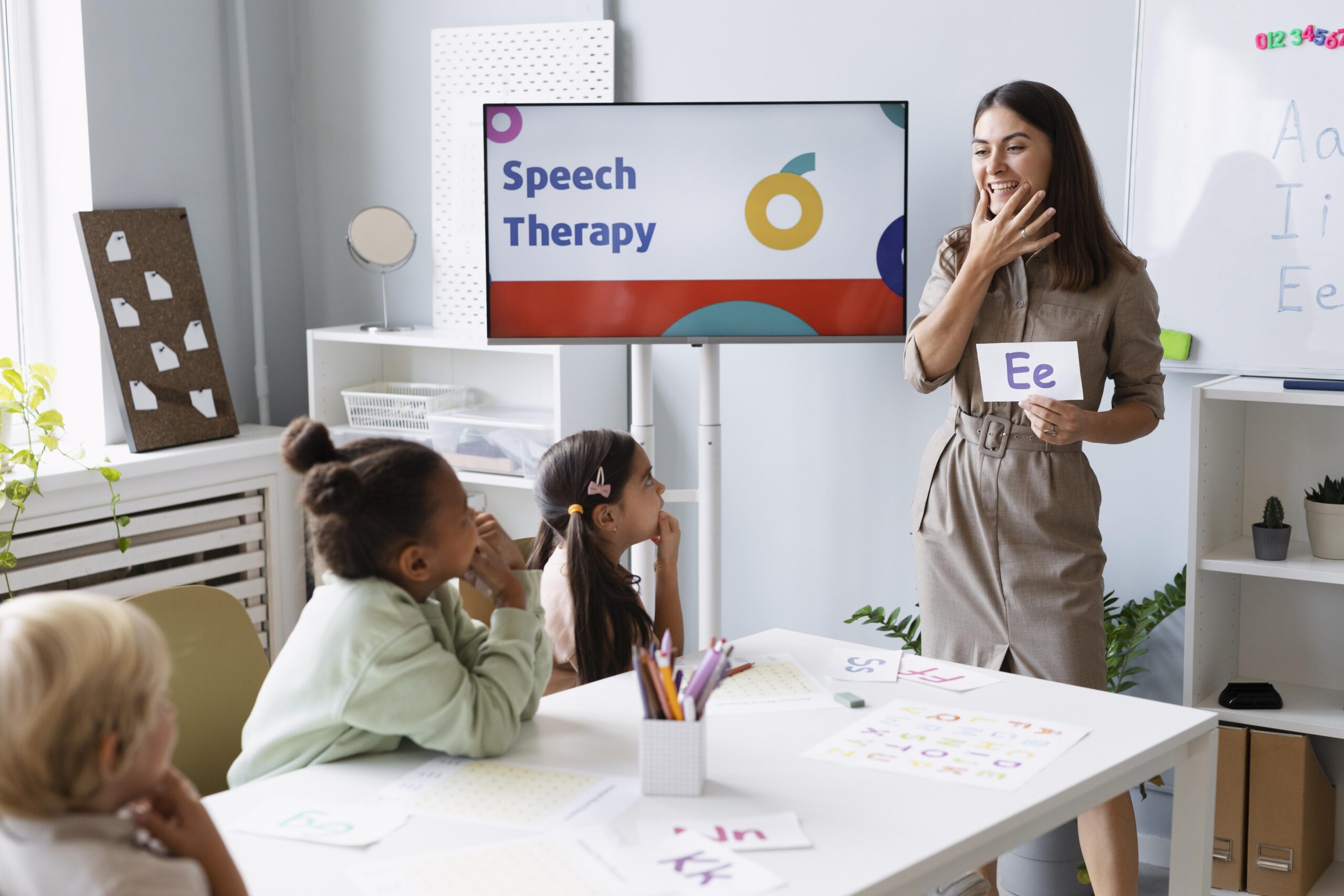
How to Choose the Best Online Phonics Classes for Kids in India
Reading is the base of every subject your child will study. Yet many children reach primary school still guessing at words instead of sounding them out. That is why more parents are searching for the best online phonics classes for kids in India: a way to build strong reading skills from home, on a flexible schedule.
This guide explains what phonics is, what to look for in an online class, and the questions to ask before you enroll.
What Is Phonics, and Why Does It Matter?
Phonics teaches children how letters and letter groups map to sounds. Once a child understands this “code”, they can blend sounds to read new words on their own, instead of memorising words one by one.
A good phonics foundation helps with:
- Reading fluency: recognising and sounding out words with ease
- Spelling and writing: understanding how words are built
- Pronunciation: speaking English clearly and confidently
- Vocabulary: meeting more words, and understanding them
- Confidence: making reading feel easy instead of stressful
You can read more in our guide on how phonics classes help your child develop strong reading skills and our explainer on why phonics.
Why Parents in India Are Choosing Online Phonics Classes
- Flexibility: classes fit around school, tuition, and family routines
- Access to better teachers: you are not limited to the centres in your neighbourhood
- Comfort: young children learn in a familiar space
- Easy tracking: digital quizzes and assessments make progress visible
- Consistency: a standard method reaches every child, wherever they live
If you would still prefer in-person classes, see our guide to the best phonics classes in Delhi.
7 Things to Look for in Online Phonics Classes
1. A structured, level-wise curriculum
The programme should move step by step: letter sounds, blending, sight words, spelling, and reading comprehension. Ask to see the full level breakdown and the total duration.
2. Age-appropriate teaching
Children aged 4 to 6 need songs, stories, and games. Older children need more reading and spelling practice. Check that the class matches your child’s age.
3. Trained and certified instructors
Phonics is a specific skill. Ask how teachers are trained and whether they have experience teaching young learners.
4. Interactive lessons, not just video
Children learn best when they respond, speak, and practise. Look for live interaction, activities, and quizzes rather than passive screen time.
5. Regular assessments and feedback
Topic-wise tests help you know what your child has mastered and what needs another look.
6. Revision support
Children often need to revisit a concept. A good class lets them revise until it clicks.
7. Clear outcomes
Ask what your child will be able to do at the end, and whether there is a final assessment or certificate.
Questions to Ask Before You Enroll
- What age range is the programme designed for?
- How many levels are there, and how long does the course take?
- How are classes delivered, and can I attend a demo?
- How is my child assessed, and how will I see the results?
- What happens if my child misses a class?
- Is there a final exam or certificate?
What Makes a Great Phonics Programme? A Look at Aristo Kids
Our phonics classes for kids are designed for children aged 4 to 12 years, with a standardised teaching method and engaging course material.
Here is how the programme is structured:
- 3 levels over about 18 months
- Taught in English, with classes available Monday to Sunday
- Flexible scheduling so you can choose timings that suit your family
- Interactive online quizzes and topic-wise assessments to track mastery
- Unlimited revisions, so children can revisit any concept until it is clear
- Final exam and certification on completion
- Experienced, certified instructors
Aristo Kids is also present in cities across India. If your family prefers classroom learning, you can see how it works in practice in our post on phonics classes in Delhi.
The Best Age to Start Phonics
Phonics works best when children begin early, around age 4, because they are still forming their first habits with language. Older children can still benefit, especially those who struggle with spelling or read hesitantly. A structured programme helps fill the gaps.
Support Reading at Home Too
Classes work best when home reading backs them up. A few simple habits help:
- Read together for 10 to 15 minutes daily
- Let your child sound out words before you help
- Praise effort, not speed
- Keep books at their level and in their interests
For more ideas, read our guide on how to create a reading habit in kids.
Pair Phonics with Handwriting
Reading and writing develop together. Many parents pair phonics with handwriting classes so children practise forming the letters whose sounds they are learning.
Final Thoughts
The best online phonics class for your child is the one with a clear curriculum, trained teachers, regular assessments, and real interaction. Ask for a demo, compare programmes using the checklist above, and trust what you see in the first few sessions.
Ready to start your child’s reading journey? Register for a demo or contact our team today.